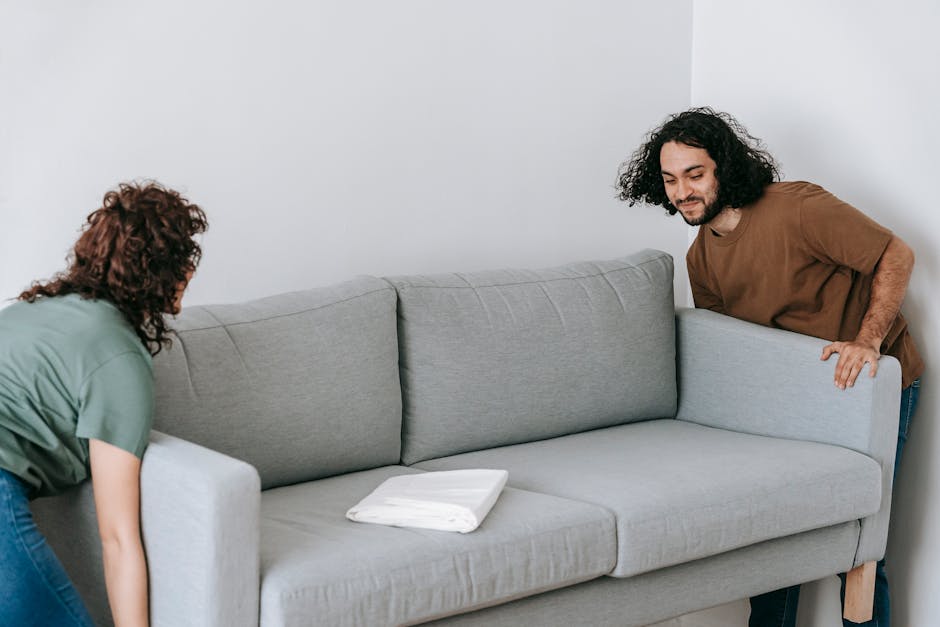
Northfields moving tips for heavy furniture in Ealing

Moving a sofa, wardrobe, bed frame, or piano through Northfields can feel like one of those jobs that looks manageable until you actually start. Then the hallway seems narrower, the staircase steeper, and the item somehow heavier than it looked in the shop. If you are looking for Northfields moving tips for heavy furniture in Ealing, this guide gives you the practical side of the move: what to plan, what to avoid, and when it makes more sense to bring in professional help.
The good news? Heavy furniture can usually be moved safely with the right preparation, the right team, and a bit of local know-how. In a busy part of West London, that matters more than people think. Doors can be awkward, parking can be tight, and narrow residential streets tend to punish last-minute improvisation. Let's make it simpler.
If you want a broader view of the services available, you can also explore the full removals service overview and dedicated furniture removals in Ealing.
Why Northfields moving tips for heavy furniture in Ealing Matters
Heavy furniture is not just "a bit awkward". It can damage floors, walls, banisters, lift doors, and the furniture itself if it is rushed. More importantly, it can cause strain injuries when people twist, lift, or carry something without enough support. That is true everywhere, but in Northfields and the wider Ealing area the layout of homes can make a bad move even trickier.
Many properties in the area have a mix of Victorian terraces, maisonettes, flats with tight stairwells, and family homes where the largest rooms are not always the easiest to access. So the problem is not only weight. It is shape, access, and timing. A bulky wardrobe might be light enough for two people to lift, yet impossible to angle through a landing without planning. A solid oak table may be short but extremely dense. A sofa may be fine in the living room and a nightmare at the front door.
That is why sensible moving advice matters. The aim is not to "muscle through" the job. The aim is to reduce risk, preserve the item, and avoid turning a moving day into a repair bill. Truth be told, a calm half-hour of planning often saves hours of frustration later.
If your move is part of a larger home relocation, the advice here pairs well with house removals in Ealing and flat removals support, especially where access is tighter than expected.
How Northfields moving tips for heavy furniture in Ealing Works
Moving heavy furniture safely is really a sequence of small decisions. You assess the item, measure the route, protect the surfaces, choose the right tools, and move in a controlled way. When those steps happen in order, the job becomes much more manageable.
A practical move usually follows this pattern:
- Inspect the item for removable parts, loose panels, or fragile finishes.
- Measure access including hallways, stair turns, door widths, and any tight corners.
- Clear the route so no one is stepping around shoes, lamps, or boxes at the worst moment.
- Protect the property with blankets, floor coverings, or corner protection where needed.
- Use lifting aids such as straps, sliders, dollies, or a removal van with the right loading space.
- Move with coordination so one person leads, one stabilises, and no one improvises halfway up the stairs.
This process sounds simple, but it is where most problems are avoided. In our experience, the moves that go best are the ones where the route is checked before the furniture is touched. Not after. Before.
For larger or more fragile items, a specialist service can make a noticeable difference. If you are weighing up support, have a look at man with a van in Ealing and removal van options for local transport that suits heavier loads.
Key Benefits and Practical Advantages
Following a proper method for heavy furniture moves is not just about safety. It also gives you a better move overall. The benefits are easy to feel on the day, and a lot less dramatic than dealing with chipped wood, scuffed walls, or a strained back later on.
- Less risk of injury when lifting and turning awkward items.
- Lower chance of property damage to floors, door frames, and stair edges.
- Better time control because the team is not stuck replanning on the spot.
- Cleaner loading into the vehicle with fewer last-minute surprises.
- Reduced stress for you, which honestly matters more than people admit.
- More confidence with valuable items such as solid wood furniture, antiques, or specialist pieces.
There is also a financial angle. A move that is organised properly usually reduces the risk of avoidable damage claims, emergency replacements, or having to hire a second vehicle because the first one was packed badly. If you are planning carefully, it may also be worth reviewing pricing and quotes and the company's insurance and safety information before you book.
Expert summary: heavy furniture moves are easiest when the route is measured, the item is prepared, and the lifting plan is agreed before anyone starts carrying. The work looks simple from a distance. It rarely is.
Who This Is For and When It Makes Sense
This advice is for anyone dealing with oversized or heavy household furniture in Northfields, Ealing, or nearby streets where access is not especially forgiving. That includes tenants, homeowners, landlords, students in shared properties with inherited furniture, and office teams moving furniture between rooms or floors.
It makes sense especially if you are moving:
- wardrobes, chest of drawers, and bedside units
- sofas, corner sofas, armchairs, and sofa beds
- dining tables, sideboards, and bookcases
- beds, headboards, and heavy mattress bases
- desks, filing cabinets, and office storage units
- pianos or specialist instruments
If you are moving something genuinely awkward, such as a piano or an unusually large cabinet, you should not treat it like a normal box move. That is when specialised handling becomes important. A page like piano removals in Ealing is useful because it reflects the extra care those items need.
It also makes sense to ask whether the item is worth moving at all. Sometimes the right decision is to move it carefully. Sometimes it is to store it, sell it, or replace it. That is not defeat. That is practical thinking. If storage is part of the plan, see storage in Ealing.
Step-by-Step Guidance
Here is the cleanest way to approach heavy furniture in Northfields. Nothing fancy. Just the kind of process that saves you from making up the plan while standing in the hallway with a sofa blocking the front door.
1. Measure the furniture and the route
Measure height, width, depth, and diagonal clearance if the item may need to tilt. Then measure the route: doorways, stairs, landings, lift access, and the vehicle loading area. If the sofa fits the room but not the stair turn, you need to know that before lifting starts. It sounds obvious, but people forget.
2. Disassemble what you can
Take off legs, shelves, drawers, table leaves, and removable handles where possible. Bag the screws and label them clearly. Small parts disappear fast on moving day, especially when boxes are being stacked and nobody remembers which bag belongs to which unit.
3. Protect surfaces properly
Use blankets, corner guards, floor runners, and wrap for delicate finishes. For polished wood or lacquered furniture, a single scrape can be very visible. In narrow Ealing homes, the riskiest points are often door frames and stair turns rather than the furniture itself.
4. Choose the right lifting method
For simple items, two-person lifts may be enough. For heavy or wide items, use lifting straps or furniture dollies. Keep weight balanced. Avoid twisting your torso while holding the load. Step, turn, and pause together.
5. Load the van in a stable order
Put heavy pieces against the wall of the vehicle and strap them in where possible. Avoid stacking fragile pieces under dense, flat items. The vehicle should be packed so nothing shifts on braking. A well-packed removal van in Ealing can make a surprisingly big difference to the whole day.
6. Reassemble carefully at the destination
Once inside, check the placement before reassembling. It is much easier to move a disassembled bed frame than a fully built one. Settle the item, level it if needed, and only then fix the pieces together.
Expert Tips for Better Results
There are a few small details that make a big difference. These are the things that tend to separate a smooth move from a messy one.
- Empty furniture before moving it. Drawers with books or crockery inside can be heavier than they look, and the shifting weight is awkward.
- Use gloves with grip. Not bulky gloves, just ones that help you keep hold of lacquered surfaces and metal handles.
- Keep one person in charge of pace. Too many voices on the stairs creates hesitation, and hesitation is how things get banged.
- Check parking before the move. In Northfields, the loading plan can matter just as much as the lifting plan.
- Protect the destination as well as the departure point. People often wrap the item but forget the fresh-painted wall at the other end.
- Use furniture sliders on suitable floors. They are brilliant on some surfaces and useless on others, so don't force it.
A slightly cheeky but honest tip: if something feels too awkward to lift safely, it probably is. Furniture never gets lighter after the third attempt.
If you want broader support across the move, the pages on removal services in Ealing and man and van support in Ealing can help you compare what level of help is appropriate.
Common Mistakes to Avoid
Most heavy furniture problems come from a small set of avoidable mistakes. The list is repetitive because the mistakes are repetitive. People see a large chair and assume "two strong people and a bit of willpower" will solve it. Sometimes yes. Often not.
- Skipping measurements. Guessing the route is the quickest way to get stuck halfway.
- Leaving drawers full. This makes the piece unstable and increases the load unnecessarily.
- Trying to turn corners too early. Many items need a wider swing than people expect.
- Dragging furniture across bare flooring. This can mark both the item and the floor in one go.
- Using too few people. A bulky item needs control, not heroics.
- Rushing the load order. A poorly stacked van creates movement and damage on the road.
- Ignoring weather or street conditions. Wet pavements, cramped entrances, and poor lighting all add risk.
Another common one is underestimating the time. Heavy furniture does not respect your afternoon plans. A job that seems like 20 minutes can stretch if you have to remove doors, adjust angles, or find a safer route. Better to allow slack than to panic.
For more context on local moving conditions, especially in busy residential pockets, these narrow-street moving tips are a useful read.
Tools, Resources and Recommendations
You do not need a van full of specialist kit for every move, but the right tools are worth their weight in saved effort. Simple equipment can transform a difficult lift into a controlled one.
| Tool or resource | Best use | Why it helps |
|---|---|---|
| Furniture blankets | Wrapping sofas, tables, and cabinets | Reduces scratches, edge damage, and friction |
| Ratchet straps | Securing items in the vehicle | Stops movement during transport |
| Trolley or dolly | Moving dense items on level ground | Reduces manual lifting and strain |
| Shoulder or lifting straps | Two-person lifts for awkward furniture | Improves balance and control |
| Floor protection | Hallways, stairs, and entrance paths | Protects the property from scuffs and marks |
| Packing tape and labelled bags | Fixtures and fittings | Helps keep dismantled parts organised |
For larger moves, it is usually better to use a vehicle that suits the item rather than cramming everything into the smallest option available. If that is part of your plan, review man with a van in Ealing and service options to see what level of support fits the job.
One more thing: packing materials matter. If you are wrapping furniture with blankets or preparing other items at the same time, packing and boxes in Ealing is a sensible companion page.
Law, Compliance, Standards and Best Practice
Furniture moving is not heavily regulated in the same way as some other industries, but there are still important duties and expectations. In practical terms, the main concerns are health and safety, safe lifting, property access, and proper handling of goods in transit.
In the UK, employers and contractors are generally expected to follow sensible manual handling practices and reduce the risk of injury where reasonably possible. For a household move, that translates into common-sense measures: avoid lifting beyond your ability, use equipment where needed, and do not ask one person to carry a load designed for two.
Best practice also means being clear about what is and is not included in a move. For example, if furniture needs dismantling, reassembly, wrapping, stair carrying, or waiting time because of access delays, that should be understood before the job begins. It keeps everybody on the same page, which is honestly half the battle.
It is also sensible to check matters like payment clarity, insurance cover, and service terms before booking. You can review payment and security, terms and conditions, and the complaints procedure if you want a clearer picture of expectations.
When people ask what "professional" means in a move like this, the answer is simple: careful planning, transparent communication, and a safe method. Nothing flashy. Just good practice done properly.
Options, Methods, or Comparison Table
Different furniture moves call for different levels of support. The right choice depends on the item, the access, and your confidence handling it safely.
| Method | Best for | Pros | Watch-outs |
|---|---|---|---|
| DIY with helpers | Small-to-medium furniture, easy access | Lowest upfront cost, flexible timing | Higher injury risk, can be slower, less protection if things go wrong |
| Man and van | Moderate furniture loads, local moves | Practical, efficient, good for flexible transport | May still require your own packing and some lifting help |
| Full removal service | Large homes, heavier items, tight access | More support, more coordination, less stress | Usually costs more than simple transport |
| Specialist item handling | Pianos, antiques, oversized or fragile furniture | Extra care and appropriate equipment | Requires the right provider and more planning |
If you are not sure which route fits, a short conversation with a local provider can save time. For households, house removals in Ealing W5 and removal companies in Ealing may be worth comparing against a smaller-scale service.
For a lot of Northfields moves, the sweet spot is somewhere between DIY and full-service: enough help to keep the move safe, but not so much that you pay for things you do not need.
Case Study or Real-World Example
Picture a typical Northfields flat move on a weekday afternoon. There is a heavy three-seater sofa, a solid pine bed, and a dining table that has seen better days but still weighs a ton. The front entrance is fine, but the internal stairs turn sharply at the first landing. Classic West London, really.
The move goes well because the team does three things early. First, they measure the sofa's diagonal clearance and remove the feet. Second, they wrap the corners and protect the stair edge. Third, they move the table separately instead of trying to carry everything together. Nothing glamorous, but it works.
Halfway through, they realise the bed headboard will scrape if they try to angle it the obvious way. So they pause, rotate, and take the longer turn through the landing. That tiny adjustment prevents a scuff and saves a lot of irritation. Small decision, big result.
By the time the van is loaded, the heavy pieces are secure and the route at the new property has already been checked. No drama. No damage. No one trying to laugh off a near miss. Which, to be fair, is a good moving day.
This is exactly why local knowledge matters. A team familiar with Ealing streets, residential parking, and common access issues can work more efficiently. If you are comparing providers, it is worth looking at removals in Ealing, removal services, and the company background before making a decision.
Practical Checklist
Use this before moving any heavy furniture in Northfields. Keep it simple and tick things off as you go.
- Measure the furniture and the route end to end.
- Check whether doors, legs, shelves, or drawers can be removed.
- Empty all contents from the item.
- Protect floors, walls, and stair edges.
- Arrange enough people for a safe lift.
- Prepare straps, blankets, tape, and labels.
- Confirm parking and loading access.
- Plan the van load order before lifting starts.
- Keep a clear path from room to vehicle.
- Set the item down and recheck placement before rebuilding it.
Quick takeaway: if the item is heavy, awkward, and expensive to replace, it deserves a proper plan rather than a hopeful one.
If you want to keep everything neat from start to finish, it helps to align the move with the right support pages such as house removals, furniture handling, or student removals if you are moving between shared homes with bulky items.
Conclusion
Heavy furniture moves in Northfields do not have to become a stressful all-day ordeal. With a measured route, the right protection, sensible lifting, and a realistic view of what you can handle safely, the job becomes much more predictable. That is the whole point.
For many Ealing residents, the difference between a bad move and a decent one is not strength. It is preparation. A little patience, a bit of local awareness, and the willingness to choose the right support when needed. Simple as that.
If you are planning a move soon, start by checking the item, the access, and the vehicle. Then decide whether you need help from a local team. The more awkward the furniture, the more valuable that decision becomes. And once it is done, you will be glad you took the careful route.
Get a free quote today and see how much you can save.
When the heavy lifting is handled well, moving day stops feeling like a battle and starts feeling like progress. That's a nice shift, and a proper relief too.
Frequently Asked Questions
What is the safest way to move heavy furniture in Northfields?
The safest approach is to measure the item and the route first, remove any detachable parts, protect surfaces, and use enough people or equipment for the weight. If the item is bulky or fragile, professional help is usually the safer option.
Do I need a removal van for one large item?
Not always. If it is one piece and access is straightforward, a smaller transport option may be enough. But if the item is oversized or awkward, a proper removal van gives you more secure loading space and better control.
How do I know if a sofa will fit through my hallway?
Measure the sofa at its widest point, then measure the hallway width, door frames, and any turns. Don't forget the diagonal route. Many sofas fit only when turned on an angle, so straight-line measurements can be misleading.
Should I dismantle furniture before moving it?
Yes, where possible. Removing legs, shelves, drawers, or headboards can make a big difference to safety and manoeuvrability. Just keep all fixings in clearly labelled bags so reassembly is not a headache later.
Is it worth using furniture sliders?
Furniture sliders can be very useful on suitable floors, especially for short indoor moves. They are not a cure-all, though. On some surfaces they can be awkward or unstable, so use them carefully and only where they make sense.
What should I do if the staircase is too narrow?
Pause and reassess rather than forcing it. Sometimes the item can be tilted or rotated differently. Sometimes it needs to be removed in parts. And sometimes the best answer is professional handling with the right equipment.
How much help do I need for a heavy wardrobe?
It depends on the wardrobe's weight, height, and access route. A tall or solid wood wardrobe often needs at least two people and, in some cases, lifting straps or a dolly. If there are stairs, add another level of caution.
Can I move heavy furniture in wet weather?
Yes, but it is more hazardous. Wet steps, slippery pavements, and damp furniture surfaces all increase the risk. Use extra care, dry materials where possible, and avoid rushing between the property and the vehicle.
What kind of furniture needs specialist handling?
Pianos, antiques, oversized wardrobes, marble tables, and unusually delicate items often need specialist handling. These pieces are harder to balance and more expensive to repair if something goes wrong.
How far in advance should I plan a heavy furniture move?
For a simple local move, even a day of planning helps. For larger jobs, allow several days if possible so you can measure access, prepare packing materials, and organise any help you need. Last-minute planning is where mistakes start.
What if I am moving from a flat with tight access?
That is common in Ealing and Northfields. Check lift size, stair turns, communal areas, and parking restrictions before moving day. If access is tight, a service designed for flat moves can save a lot of trouble.
How do I protect floors and walls during the move?
Use blankets, runners, and corner protection along the most vulnerable routes. Keep one person watching clearances when going through doors and stair bends. It sounds a bit cautious, but that caution usually pays off fast.
Where can I get help with a local move in Ealing?
If you need a local team for heavy furniture, it makes sense to compare the available options, check service details, and look at the support that best matches your item and access needs. Starting with removal companies in Ealing is often a sensible move.